Pulmonary Function Tests (PFTs):
Pulmonary function tests (PFTs) are noninvasive tests that assess how well the lungs are working by measuring lung volume, capacity, airflow rates, and gas exchange. These tests help healthcare providers diagnose and manage lung disorders effectively.
Types of Pulmonary Disorders
There are two main categories of lung disorders that affect airflow:
- Obstructive Disorders: Airflow is restricted due to airway resistance, making it difficult to exhale.
- Restrictive Disorders: The lung tissue or chest muscles cannot expand fully, leading to decreased lung volumes.
Types of Pulmonary Function Tests
PFTs are typically performed using one or both of the following methods:
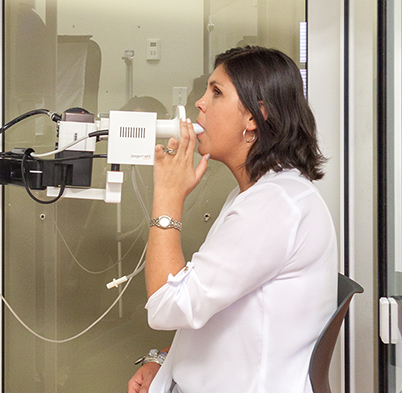
- Spirometry: A device with a mouthpiece connected to a small electronic machine measures airflow as you breathe.
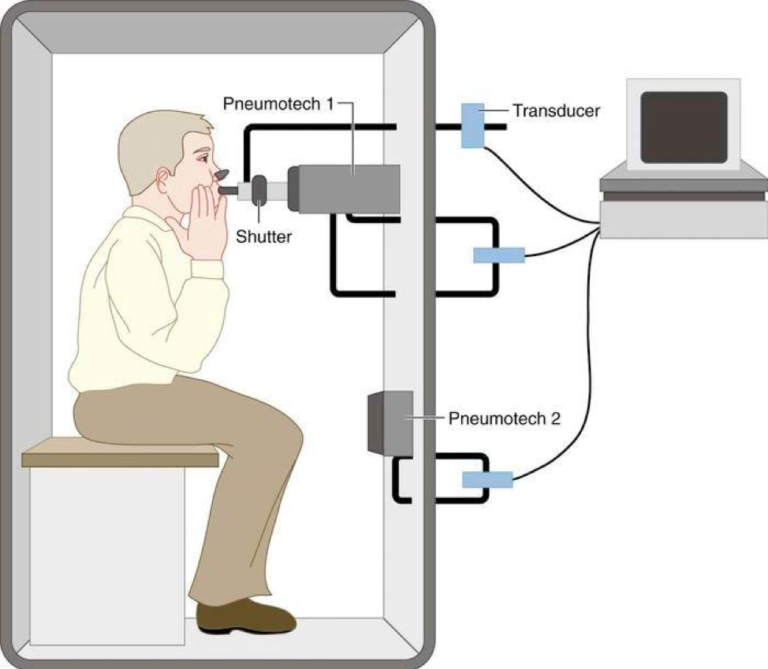
- Plethysmography: You sit inside an airtight booth to assess lung volumes more precisely.
Why You Might Need Pulmonary Function Tests
PFTs may be recommended for various reasons, including:
- Routine physical exams in healthy individuals
- Workplace health screenings (e.g., coal mines, graphite factories)
- Diagnosing or monitoring lung conditions such as:
- Allergies
- Respiratory infections
- Asthma, emphysema, chronic bronchitis, or bronchiectasis
- Asbestosis (lung disease from asbestos exposure)
- Lung scarring or restrictive airway issues (scoliosis, tumours, inflammation)
- Sarcoidosis (inflammatory disease affecting lungs and organs)
- Scleroderma (connective tissue disease causing lung thickening)
- Assessing lung function before surgery, particularly in patients with heart or lung conditions
- Evaluating the effectiveness of treatments for chronic lung conditions
Potential Risks of Pulmonary Function Tests
PFTs are safe and noninvasive but may carry minor risks, such as:
- Dizziness
- Shortness of breath
- Coughing
- Asthma attacks triggered by deep inhalation
Certain conditions may prevent a person from undergoing PFTs, including:
- Recent eye, chest, or abdominal surgery
- Recent heart attack or unstable heart conditions
- Aneurysms in the chest, abdomen, or brain
- Active tuberculosis (TB) or other respiratory infections
Factors that can affect test accuracy include medication use, pregnancy, fatigue, or stomach bloating.
Preparing for Pulmonary Function Tests
To ensure accurate results, your healthcare provider may advise:
- Stopping specific medications before the test
- Avoiding smoking before the procedure
- Refraining from heavy meals before testing
- Following any additional instructions provided
Your height and weight will be recorded to help interpret your results.

What Happens After the Test?
If you have existing lung conditions, you may feel tired afterward and will be given time to rest. Your healthcare provider will review your results and discuss any necessary next steps based on the findings.
Pulmonary function tests provide valuable insights into lung health, helping to diagnose conditions and guide treatment plans effectively. If you have any concerns, speak with your healthcare provider before the test.
What to Expect During Pulmonary Function Tests
PFTs may be performed as an outpatient procedure or as part of a hospital stay. The general process includes:
- Loosening tight clothing and removing items that may interfere with the procedure.
- Wearing dentures (if applicable) during testing.
- Emptying your bladder before the test.
- Sitting comfortably while a soft clip is placed on your nose to ensure all breathing is done through the mouth.
- Using a sterile mouthpiece attached to a spirometer.
- Following breathing instructions provided by the technician.
- Monitoring for dizziness, breathing difficulties, or other issues during the test.
- Potential administration of a bronchodilator, with repeat testing to assess medication effectiveness.